Oahu whale watching, explained
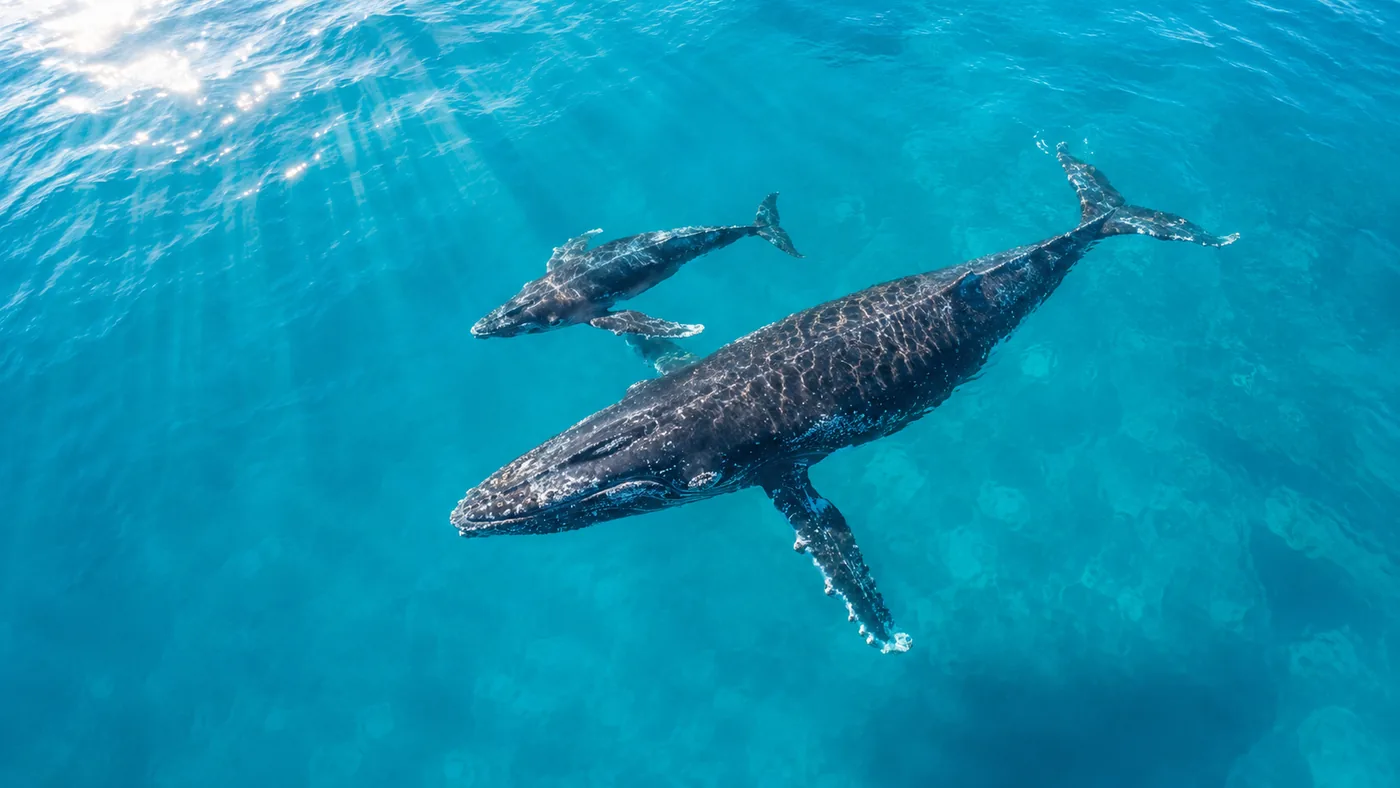
I work the boats out of Kewalo Basin through the whale season, and I volunteer on NOAA’s Sanctuary Ocean Count. So I watch people meet these animals from the deck, and I count the same animals from a clifftop on my days off. This guide comes out of both.
Planning your visit?Timed slots are limited, and cancellation is free up to 24 hours before. Reserve today, decide later.
Check ticket availabilityThe honest way to see them: start with the free option
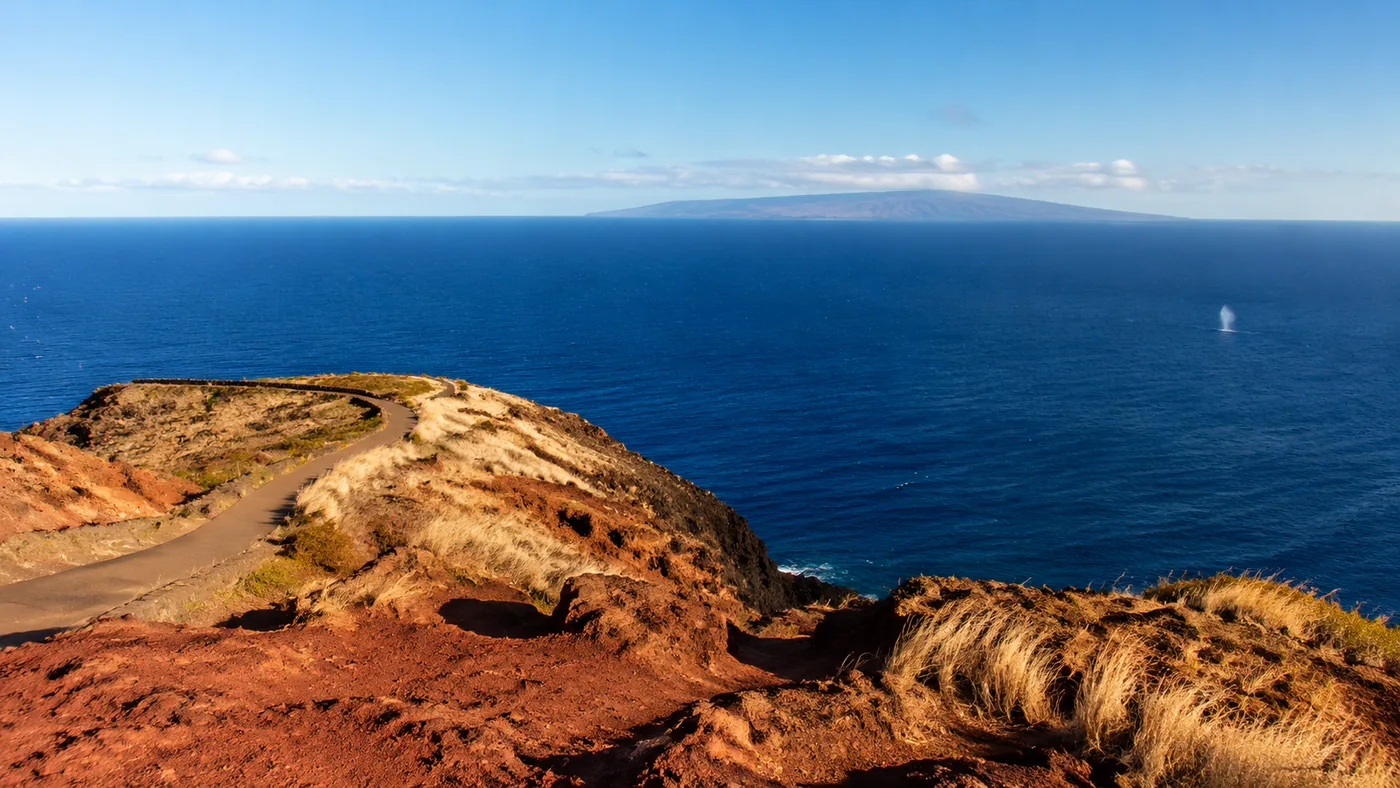
You can see humpbacks from shore on Oahu, for nothing, and it is worth doing. Makapuʻu Point Lighthouse Trail is the best of them. Paved 2-mile round trip, free parking lot that fills by mid-morning at weekends, spotting scopes at the viewing points, and enough elevation to scan the Kaiwi Channel between Oahu and Molokai. The gate opens at 7:00 AM and closes at 6:45 PM, which covers the entire whale season.
Bring binoculars. Polarised sunglasses kill the glare off the water. Do not look for a whale; look for a white puff standing above the horizon line. That is the blow, and the animal comes after it. Give any spot 15 minutes before you move on, because whales surface on their own schedule.
Four other lookouts are free too. Hālona Blowhole is roadside with a small lot, Lānaʻi Lookout needs almost no walk, Sandy Beach is the easiest access of all, and Diamond Head / Kuilei Cliffs gives you an elevated south-shore view. That last one is the roadside lookout, not the ticketed summit hike. Kaʻena Point on the northwestern tip rewards a longer walk.
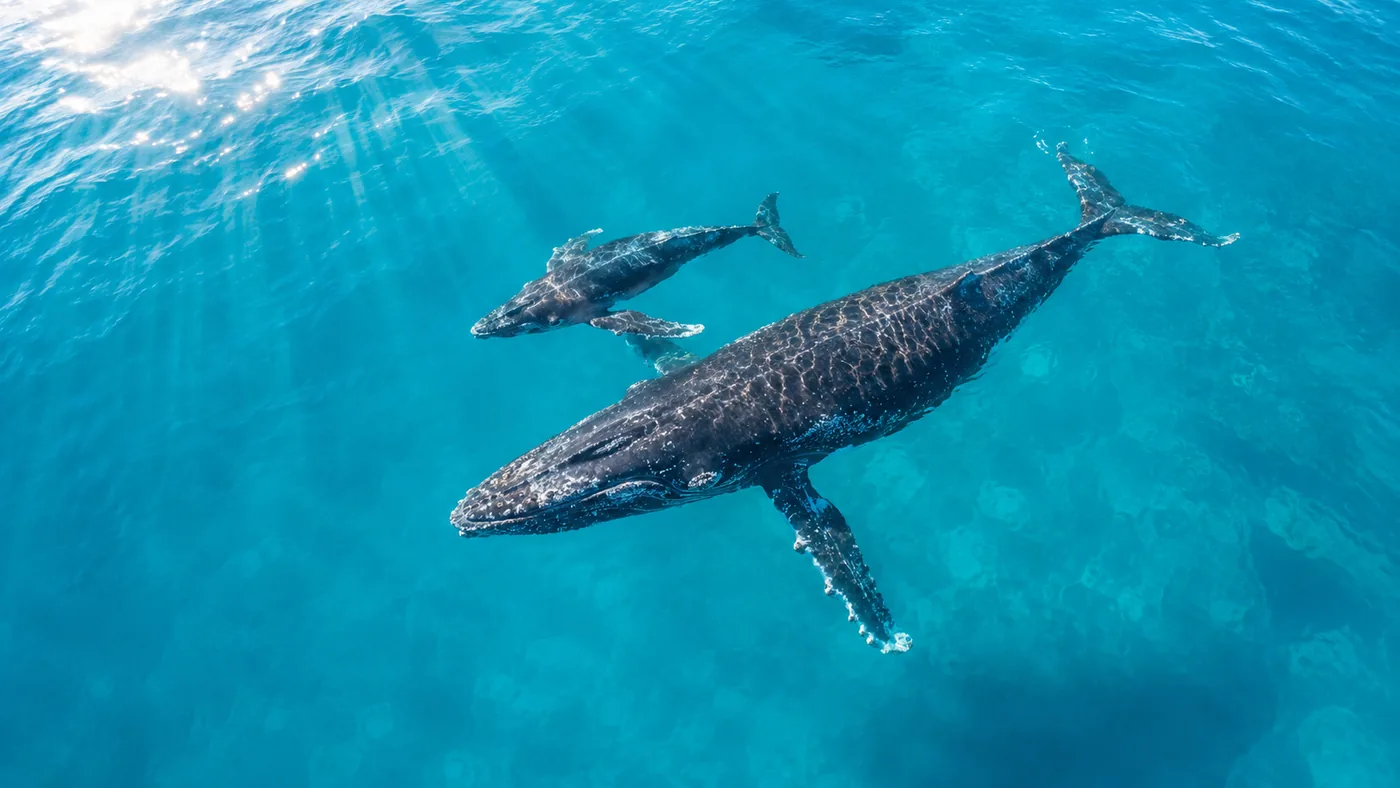
That is the free route, and it works. Here is what a boat adds. Shore watching gives you blows, and the occasional fluke or breach at distance. A boat gives you four things a clifftop cannot. First, a hydrophone: humpback song does not carry to land at all, and hearing it through an underwater mic is the strongest single reason to go out. Second, a naturalist who can tell you whether you just watched a pec slap or a tail slap, or a mother teaching a calf to surface. Third, radio. Boats share positions and move to whales, where from a lookout you wait on chance. Fourth, close range. Breaching, fluking, spyhopping and tail slapping are only readable up close, and the underside of a fluke is patterned like a fingerprint.
What the word "guaranteed" actually means
A sighting guarantee does not mean your money back. The standard remedy is a free return trip on a later sailing, sometimes a partial credit. If you are on Oahu for four days and draw a blank on day two, a voucher for a second sailing on day four is worth something real. If you flew in for the day, it is worth almost nothing. Read the operator’s own terms before you book, and book early in your trip rather than late.
Now the part the word hides. Across the reviews on these six tours, nine people left five stars in peak season while saying plainly that they saw no whales at all. They rated the trip five stars anyway, because the sail, the crew and the coastline were worth the money on their own. That is the honest shape of this purchase. You are buying a morning on the water off a coastline most visitors never see, with a good chance of humpbacks.
Why the boat stops when a whale gets close
Federal law forbids approaching a humpback closer than 100 yards (that is 91.4 metres, effective 22 January 2024, codified at 50 CFR 216.19 under the Marine Mammal Protection Act). This rule binds the boat, not the whale. If a whale surfaces near a vessel the captain is to stop and hold position rather than manoeuvre away. Best encounters are the ones the whale decides on. Any operator advertising closer access is either breaking the law or describing a whale that chose to approach. That distinction matters because it reframes the whole question of how close you will get. The answer is: depends on the whale.
Maui is better for whale watching, and here is why that still does not matter
Maui has a shallower, more sheltered channel between three islands, and holds a denser concentration of humpbacks. Across the 2024 season, Maui shore counts ran roughly 1.7 times Oahu. That number carries three caveats and none of them are small. Oahu and Maui are counted by two different organisations using different methods, so the comparison is directional rather than a measurement. The counts record sightings, not individual whales, so the same animal can be counted twice. And Maui fields more counting sites and more volunteers, which mechanically produces more sightings.
The honest conclusion: if seeing the most whales is the whole point, Maui is the better island. If you are already on Oahu, the gap is smaller than the marketing on either side suggests. February 2024 gave a 2.6× ratio; March gave 1.3×. Oahu’s genuine edge: shore access. Maui has lookouts. Oahu has several free, elevated, easy-to-reach lookouts that actually work. That is a real advantage and it is the reason this site makes the free-first argument honestly rather than as rhetoric.
Which of the six tours suits which reader
The $57 guaranteed cruise is the cheapest and the only one carrying a re-ride guarantee. Leaves Kewalo Basin Pier B, 1.5 hours on the water. Pick it if budget rules the decision. The $99 morning cruise is the most-reviewed whale tour on the island at 119 reviews and 4.4 stars. Catamaran, complimentary drinks, toilet aboard, often small groups, 2 hours out of Kewalo Basin Slip F28. Pick it if you want the steadiest boat and the most peer evidence behind your booking.
The afternoon cruise is the same operation and the same slip as the morning, at $89 for 1.5 hours, and it goes out already holding the morning boats’ sighting reports. The sunset cruise is $70 for 2 hours, bring your own drinks, with Lēʻahi and Waikīkī lit up on the way back in. The west-side cruise is $89 and carries the highest genuine rating of the six at 4.6 from 42 reviews, on quieter water with fewer boats working the same whales. It leaves from Waianae, though, about an hour’s drive from Waikīkī. The North Shore tour is $145 for the shortest trip of the lot at one hour, and its 5.0 rests on two reviews, which is not a sample.
If you want to weigh them side by side, the full comparison lays out all six. Book two or three days ahead in peak season, and pick on whatever actually matters to you: price, crowds, crew, or rating.
Where to go from here
If the free route is what you want, the shore guide has every lookout with its parking and gate hours. If you want a boat, all six tours sit side by side, and what they actually cost covers the parking and the drive nobody prices in. If you are still choosing dates, the month-by-month breakdown is the place to start. The cheapest boat, and the one carrying the re-ride guarantee, is below.
Frequently asked questions
Are whale sightings really guaranteed on Oahu tours?
Not in the way the word suggests. The guarantee on these tours pays out as a free trip on a later sailing, not a refund, so it is only worth something if you still have days left on the island. Book early in your trip. The guarantee, in full.
Can I see whales on Oahu without paying for a tour?
Yes. Makapuʻu Point Lighthouse Trail, Hālona Blowhole, Lānaʻi Lookout, Sandy Beach, Diamond Head / Kuilei Cliffs and Kaʻena Point are all free and all work in season. Bring binoculars and go early. How to actually do it.
How close does a whale watching boat get?
No closer than 100 yards. That is federal law under the Marine Mammal Protection Act, effective 22 January 2024. The rule binds the boat, not the whale, so if an animal closes the distance itself the captain stops and holds position. The best encounters are the whale’s decision.
Where do the Waikiki whale watching tours actually leave from?
Kewalo Basin Boat Harbor, about two miles west of Waikīkī, despite what the tour titles say. It is a 30 to 40 minute walk, and harbour parking is paid and fills up. Every departure point, listed.