Best Time to See Humpback Whales on Oahu
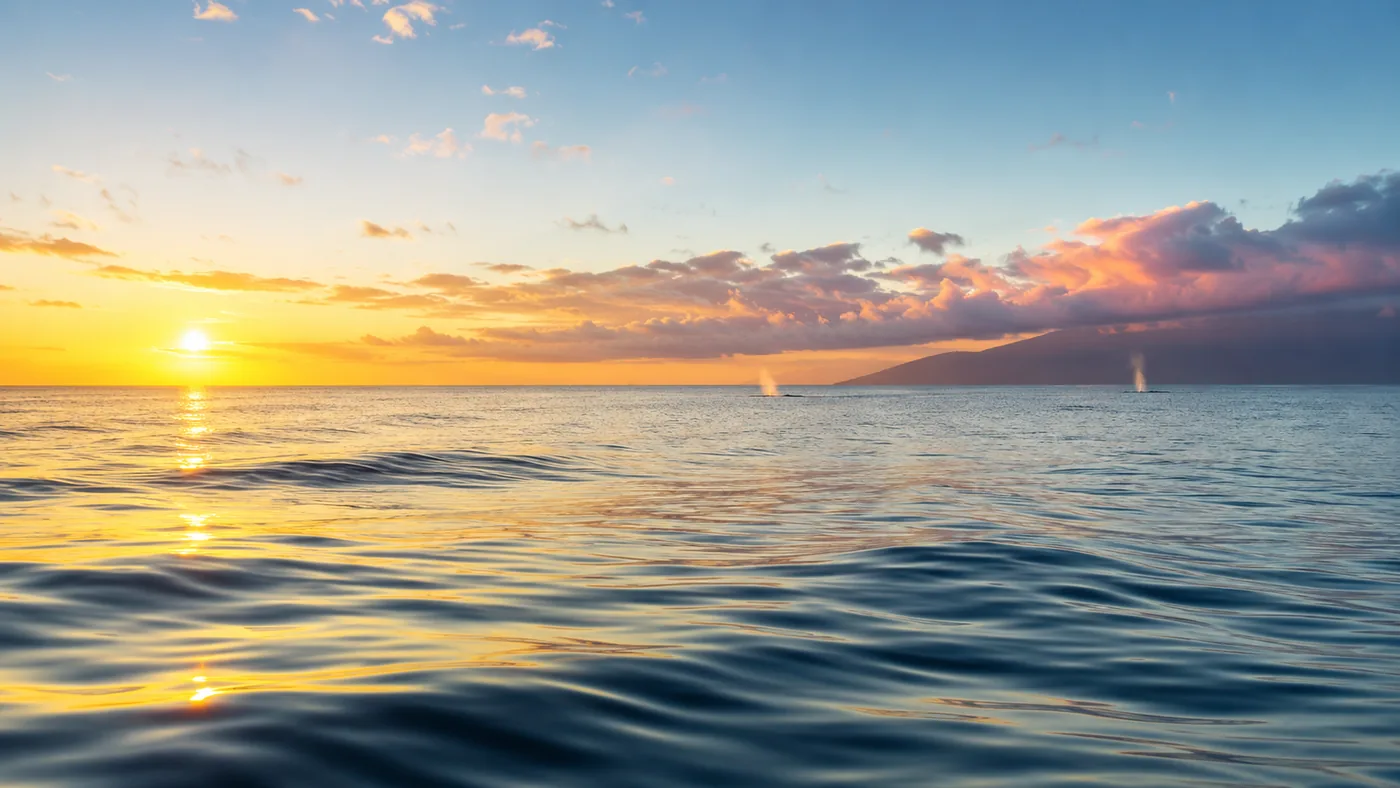
Season timing: November through April
Humpback whales are generally seen in Hawaiian waters from November through April. That is the NOAA window. Plenty of travel sites stretch it to May; the season ends in April. Peak season is January through March. If you are choosing when to visit, aim for January, February or March. You will see more whales and other people will too, but the odds are genuine.
November and December: Whales are migrating in. Some days are rich, some are thin. The water is often rougher than peak season. Doable, but not prime.
January through March: This is the window. Approximately half the north Pacific humpback population visits Hawaiian waters to breed and nurse their young, and they are spread across the islands during this span. Expect calmer days, steadier encounters, smaller waves.
April: The tail end. Whales are leaving. Days are increasingly warm and clear, but sightings thin as the population disperses back to northern feeding grounds.
Morning versus afternoon — no right answer
This is not a question with a winning side. Both timing choices are legitimate.
Morning boats leave in the early daylight before thermal winds build. The water is usually calmer and flatter. Light is clear and raking. If you are prone to seasickness, mornings are the smarter pick because the motion is less. The trade-off: you do not have intel from anyone else; you are going in fresh.
Afternoon boats have a real advantage: the morning boats have already been out and crew radio each other. Captains know where other skippers found whales. If a whale pod is in the channel on a given day, afternoon boats get the report. The water is sometimes warmer and clearer by afternoon. The cost is often cheaper too. Trade-off: the water can be rougher by afternoon as the thermal wind picks up.
Both work. Choose based on your body and your schedule. If you are here three days, go both times — you will see different animals.
The guarantee question: why booking order matters
Most of the six tours advertise a "guarantee". That word does heavy lifting, but it does not mean your money back. The standard remedy is a free return trip on a later sailing, sometimes a partial credit. You get a voucher to ride again, not a refund.
That detail changes the planning math. If you are on Oahu for four days and you book a guaranteed tour on day one and see nothing, the voucher for a free second trip is worth a lot because you have three days left. If you book on day three, that voucher is nearly useless because you fly out the next morning.
Plan this way: book your whale tours early in your trip, not late. If the guarantee pays out and you get a voucher, you actually have days left to redeem it. That is the only way the promise becomes real value.
Read the specific operator's terms before booking. Every tour titles itself differently and the wording matters. See all six tours and their exact terms, or book directly on GetYourGuide where cancellation is free up to 24 hours.
Month-by-month feel
- November: Tail end of summer tourism. Whales migrating in. Days can be rough. Playable if you are flexible.
- December: Holiday crunch. Islands are packed. Whale season building but still variable. Good light, decent days, mixed sightings.
- January: Peak arrival. This is the month. Calmer water, steadier encounters, smaller post-holiday crowds. Book now.
- February: Still peak. Whales are here in good numbers. Coldest water temperature (still 78 F), best light. No tourism crunch yet. Prime time.
- March: Last month of true peak. Calmer days than April. Whales are still rich but starting to leave. Last real window. Book before the end.
- April: Season is winding down. Whales dispersing. Days are warm and clear, sightings are thinning. Not prime, but still possible.
If you have flexibility, visit January to March. If your dates are fixed, book anyway — outside peak season you will simply see fewer whales on fewer days, and that is an honest assessment, not a failure.
Frequently asked questions
When is the best month to see whales on Oahu?
January through March. Peak season. Whales are densest, water is usually calmer, light is clear. If you can choose, come then. November and April are playable but thinner.
What does the sighting guarantee actually mean?
It is a free return trip on a later sailing, not your money back. If you see no whales, you get a voucher. That voucher is valuable only if you have days left in your trip to redeem it — so book your whale tours early, not late.
Is morning or afternoon better?
Both work. Mornings are usually calmer and have better light; afternoons have intel from morning boats and are often cheaper. If seasickness worries you, morning is the safer bet. Otherwise, pick the time that fits your schedule.
Should I visit in November?
You can. Whales are migrating in, so some days are rich. But water is often rougher and sightings are less consistent than January through March. Not prime, but not a waste either.
Is April too late?
April is the tail of the season. Whales are leaving, so sightings thin. Days are warm and clear, which is nice, but the animals are dispersing. Playable but not peak. Better to aim for January–March.
Can I see whales from shore in a specific month?
Yes, any month November through April. The free lookouts work year-round in season. Peak months have more animals and better weather, but off-peak is not a waste if that is when you visit.